How Maine’s Great Salt Bay Is Getting Kids Off Their Phones and Into the World with BusRight
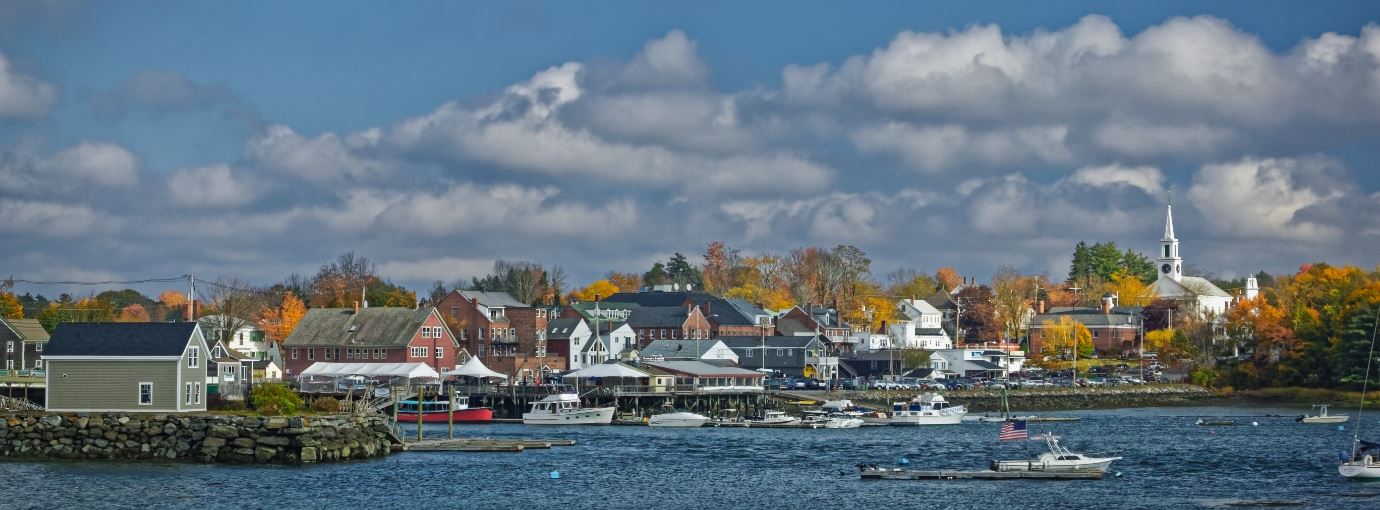
Great Salt Bay serves 400 students across three towns in midcoast Maine, a region defined by rivers, lakes, and terrain that makes student transportation complex. Routes wind through areas with limited cell coverage. Buses run not just to and from school, but to swimming pools, libraries, nature centers, ice rinks, and theaters — more than 30 field trips every month.
Transportation Director Deborah Newell has driven these roads for years. She knows them well enough to remember the parents of today's students as kids on her own bus, but knowing the routes was never the problem. What broke down was everything around it; the old system could not communicate that knowledge to anyone else, could not tell parents where their child's bus was, and could not give a substitute driver the confidence to cover an unfamiliar route on short notice.
When Great Salt Bay partnered with BusRight, the immediate goal was operational: better visibility, less manual work, and fewer parent calls. What the district found was that solving the transportation problem opened the door to something bigger.
Overview
- District: Great Salt Bay Community School, Damariscotta, Maine
- Students Transported: 400 students across 3 towns in midcoast Maine
- Coverage Area: Rural coastal Maine with rivers, lakes, and limited cell coverage
- BusRight Customer Since: July 2025
- Key Products: BusRight Parent App, Field Trip Management, Tablet Navigation
Moving From a Legacy System to BusRight
Before BusRight, the system provided to Great Salt Bay didn’t align with their needs— it meant Newell was building routes manually, the office had no real-time view of bus locations, and parents who wanted to know where their child's bus was had one option: call the school.
The stops on Great Salt Bay's routes have not changed much over the years. Newell and her drivers know every one of them. But that knowledge lived entirely in people's heads. A substitute driver stepping onto an unfamiliar route had no reliable navigation, no way to track progress, and no safety net if something went wrong.
BusRight changed the equation. Tablet navigation gave substitute drivers a tool they could trust and onboard easily, while providing continuous support to regular route drivers, special education drivers, and any driver on a big yellow bus. The district office gained a live map of every bus on every route, and Newell, who is both the Transportation Director and a full-time driver, could pull up a parent's contact information directly from the tablet rather than having to contact the office.
"I can look at a tablet and get a parent's phone number," Newell says. For someone managing transportation from behind the wheel, that kind of access is not just a convenience. It is how the job gets done.
The Phone Problem BusRight Helped Solve
While Newell was focused on the operational side, Technology Coordinator KJ Flewelling was working on a different challenge: student phone use.
Great Salt Bay recently held a parent book study on The Anxious Generation, exploring the research on how smartphones are affecting adolescent mental health. The district has a new policy that started for the 2025-2026 school year that requires students to store their phones in lockboxes each morning. Research increasingly links heavy smartphone use among adolescents to anxiety, social disconnection, and diminished well-being and school leaders at Great Salt Bay see reducing phone dependence during the school day as a direct investment in student mental health. The goal is to create an environment where students are more present, building relationships with other students and teachers, and are less socially disconnected and dependent on devices throughout the school day.
But phone policies only go so far if the underlying reason families send kids with phones in the first place goes unaddressed. At Great Salt Bay, and in districts nationwide, one of the primary reasons students carry phones is transportation logistics. Parents want confirmation their child got on the bus and a sense of when they’ll be home. Without another way to provide that reassurance, cell phones naturally become the default solution.
With BusRight, parents receive real-time bus tracking and a notification five minutes before the bus arrives, meaning that the information they were relying on their child's cell phone to provide is now available directly, without the child needing a phone on school grounds.
"BusRight means kids don't need to have a phone on them 24/7 for their parents to have peace of mind," Flewelling says.
When students arrive at school without the pressure of a device in their pocket, they're more present with each other and less exposed to the social dynamics that phones can fuel. This is an outcome that the district sees as essential to a healthier school environment.
Getting Students Outside Via 30+ Field Trips a Month
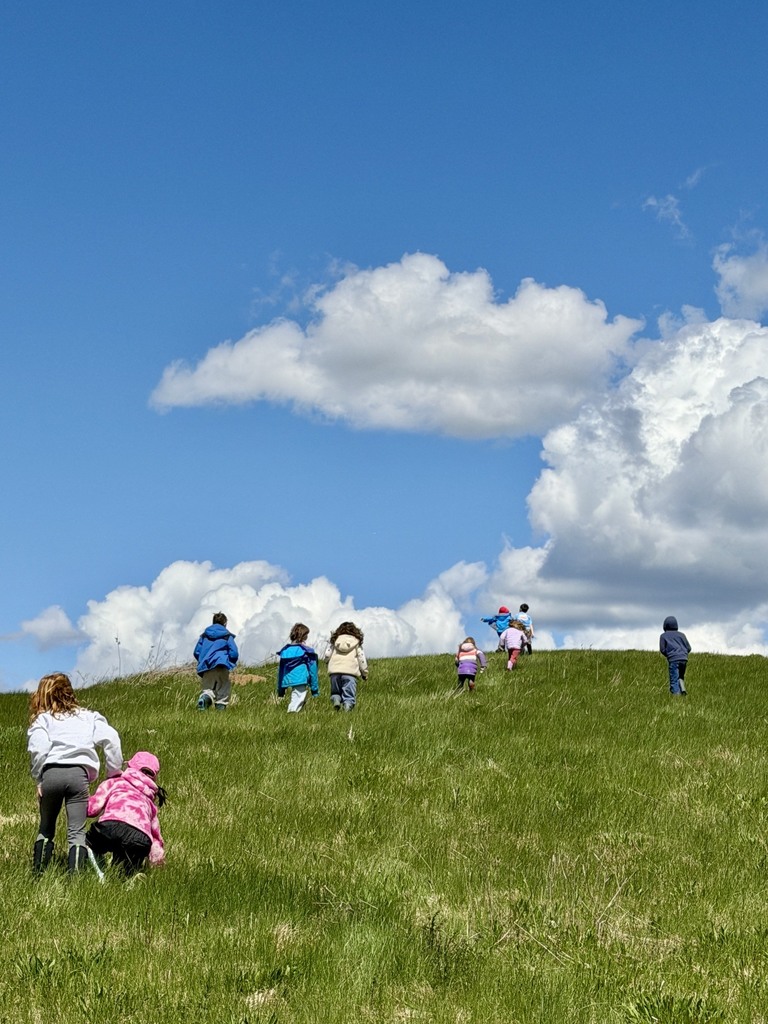
The same logic applies to the district's field trip program. Great Salt Bay is doing more than running occasional enrichment trips, it runs more than 30 field trips per month, and that volume is intentional. Getting students out of the building and into real-world experiences is a stated district priority, one that sits alongside the phone initiative as part of a broader vision for how students should be spending their time. For many students in midcoast Maine, a school-organized field trip is also a chance at more equitable experience. This comes in the form of opportunities to visit a nature center, attend a live performance, or spend time at a pool. These can all be core experiences that shape development and broaden a child's sense of what the world holds for them.
For example, at any given time the monthly schedule can include two weekly swimming groups, four library runs, two trips to Hidden Valley Nature Center, monthly ice skating in Rockland during winter, six buses to the movie theater for drama club, and two buses to Portland for auditorium events, among others.
Coordinating that many trips with substitute drivers was a persistent challenge under the old system. A sub covering a field trip route had no navigation support and no way for the office to verify their location. One gap in this transportation equation can have a major impact on a student’s education.
With BusRight, the tablet navigates the route regardless of whether the driver has run it before. The office tracks every bus in real time. And the system handles the logistics consistently enough that it has become something the district simply relies on.
"It just works," says Newell.
The new level of reliability created by BusRight’s is what makes 30-plus field trips a month operationally sustainable, and what allows the district to keep expanding student experiences outside the classroom.
The Result: 80% Fewer Office Calls
The clearest measure of BusRight's impact at Great Salt Bay is call volume. Before the parent app, the district office fielded a steady stream of calls every morning: Has the bus arrived? Did it stop on our street? Is it running late? Newell estimates that BusRight has cut those calls by roughly 80%.
These calls added up and meant a subsequent chain of calls to drivers to get an accurate answer on their location, and if they stopped, etc. Today, every call the office does not have to field is time redirected toward students, and every interruption a driver does not receive mid-route is a safety improvement.
Maine winters give the arrival notification added weight. When temperatures drop well below zero, a five-minute heads up before the bus arrives means students are not standing outside in dangerous conditions any longer than necessary. It is a simple feature with a direct impact on student well-being.
Building a Transportation System That Unlocks Education
For Newell and Flewelling, the significance of BusRight is what becomes possible when the transportation operation is reliable, visible, and easy to manage.
Substitute drivers can cover unfamiliar routes without preparation time, parents have the information they need without calling the office, and the district can run 30-plus field trips a month without the logistics becoming a barrier. Students, increasingly, do not need to carry a smartphone just to get to and from school with the support of BusRight’s tracking system.
Great Salt Bay is still in its first year with the platform, but the foundation it has built already reflects something important: a transportation system that does its job well can make an even bigger impact on education.
"Parents have the information they need, drivers can focus on driving, and we can focus on getting kids where they need to go," Newell says. With BusRight, that is exactly what is happening.
You Might Be Interested